Serving St. Louis since 2018

Reverse Osmosis Systems for St. Louis Homes and Facilities
Your water may look clear, but PFAS, lead, and chlorine move through it unnoticed. Standard filters don’t catch them, and they affect health, equipment, and product quality. Kinetico reverse osmosis systems remove up to 99% of these contaminants at the molecular level before they reach your tap or equipment.
Kinetico Approved Dealer

How Reverse Osmosis Purifies St. Louis Water

Reverse Osmosis systems force water through a semipermeable membrane that traps contaminants at the molecular level. PFAS, lead, chlorine, dissolved solids get removed before water reaches your home or facility.

The filtered water goes to designated taps or equipment. Contaminants flush away as waste. You get clean water without the substances that cause health concerns or equipment problems.

Built Into Every Kinetico Installation:

E

Free water test measuring contaminant levels

E

Kinetico RO system sized for your needs

E

Under-sink setup for homes, point-of-use or high-volume for facilities

E

99% contaminant removal

How Reverse Osmosis Purifies
St. Louis Water

PFAS (“Forever Chemicals”):
Persistent industrial chemicals found in St. Louis water. They move through municipal treatment and require RO to remove.

Lead from Aging Pipes:
Common in older St. Louis plumbing. Even small amounts matter, especially for children. RO is required to take it out.

Chlorine & Chemical Additives:
Added for disinfection but rough on skin and hair. It affects taste and creates noticeable odor, especially in hot water.

Heavy Metals & Dissolved Solids:
Minerals and contaminants that slip through standard treatment. RO filters them out before they reach your tap or equipment.

Equipment Scale & Damage:
Dissolved solids build up in ice machines, coffee equipment, sterilizers, and dish machines. RO protects equipment and extends service life.

Product Quality Consistency:
Restaurants, cafés, and breweries rely on steady water quality. Contaminants change flavor, appearance, and results.

Regulatory Compliance:
Healthcare facilities need medical-grade water for sterilization and patient care. RO meets required purity standards.

Process Water Requirements:
Labs and manufacturing depend on ultra-pure water. RO removes contaminants that interfere with testing and production.

What’s Your Water Score?

Before you treat your water, you need to know what’s actually in it. We provide free professional water testing that shows you exactly what contaminants and minerals are present – so you can make informed decisions about treatment.

Why Kinetico Systems Are Best for St. Louis Water

Kinetico systems run on water pressure instead of electronics. No timers, no motors, and fewer failure points – ideal for St. Louis basements, utility rooms, and commercial spaces.

Removes up to 99% of contaminants

Kinetico membranes filter PFAS, lead, chlorine, and dissolved solids at the molecular level.

More clean water per gallon

Wastes less water than standard RO units. Better filtration with lower operating costs.

Built for long-term uptime

Non-electric design and fewer moving parts mean fewer service calls, longer membrane life, and stable water quality day after day.

Professional installation and support

We size systems correctly, handle installation, and provide service when needed.

How We Set Up Reverse Osmosis Systems Across St. Louis

Homes, offices, kitchens, labs, and production sites all use reverse osmosis differently. We size the right Kinetico system for your St. Louis water quality, handle the full installation, and set it up so it supports your daily use without disrupting your routine.

1. We test your water

We measure contaminant levels, dissolved solids, and pH on-site. It takes about 15–20 minutes, and you get the results immediately.

2. We recommend the best system

We match your test results to the right Kinetico reverse osmosis system. Homes typically use under-sink units; facilities connect to equipment or high-use stations.

3. We Install

We mount the system, connect the lines, set the drain, and confirm operation. Most home installs take 2–3 hours; commercial timing depends on size and use.

4. We test and explain

We confirm water quality, walk through filter replacement timing, and answer any maintenance questions before we wrap up.
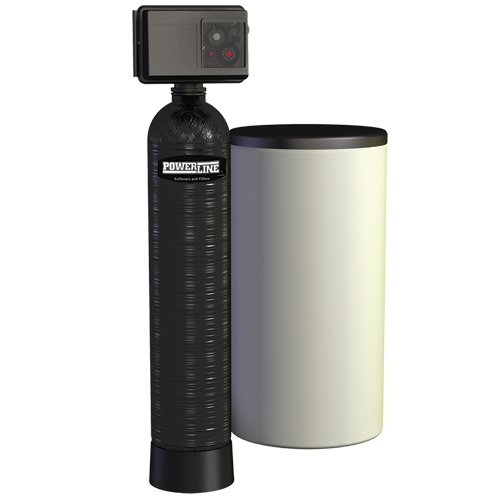
Powerline Series

Service Coverage

We install throughout St. Louis and Metro East Illinois – approximately one-hour radius from downtown.

Metro East (Illinois):

Belleville, O’Fallon, Collinsville, Edwardsville, Glen Carbon, Fairview Heights, Swansea, Shiloh, Scott Air Force Base, surrounding areas

St. Louis Region (Missouri):

Chesterfield, Clayton, St. Charles, Creve Coeur, South County, nearby communities.
Honest Water Service Area

What St. Louis Thinks About Our Reverse Osmosis Systems

What You Should Know Before Installing Reverse Osmosis System

Reverse osmosis handles contaminants that standard filters miss, and most people want clarity on how it works before installing a system.
What contaminants does reverse osmosis remove?
Reverse osmosis targets the contaminants that slip through standard filters. PFAS, lead, chlorine byproducts, arsenic, nitrates, fluoride, dissolved solids, and heavy metals all move through water at a molecular size small enough to pass typical filtration. RO forces water through a membrane fine enough to catch them, leaving you with clean drinking water for kitchens, ice makers, and equipment that needs stable quality. It’s one of the few technologies that reliably handles what St. Louis water struggles with.
Will a reverse osmosis system work with St. Louis well water or municipal water?
Yes. RO works with both. Municipal water in St. Louis brings chlorine, PFAS, and dissolved solids. Well water often carries higher mineral content, iron, or sediment. A water test shows whether the RO unit needs pre-filtration to protect the membrane, and we size the system around the actual demands of your tap, staff areas, or equipment. Homes, offices, cafés, and medical facilities all use RO, but each setup starts with testing the water you’re pulling from.
How often do reverse osmosis filters and membranes need replacing?
Pre-filters usually last six to twelve months. They protect the membrane by catching sediment, chlorine, and larger particles. The membrane itself generally lasts two to three years, depending on how much water you use and what’s in your supply. St. Louis hardness and dissolved solids influence that timeline. We give you a clear maintenance schedule after installation, and we handle replacement and service when needed so you’re never guessing.
How much water does a reverse osmosis system waste?
RO creates purified water (“permeate”) and sends a smaller stream of wastewater (“reject”) down the drain. Kinetico units recover more usable water than standard RO systems, typically using one to two gallons of waste for every gallon produced. That ratio varies based on water pressure and contaminant load, but Kinetico stays more efficient than most units because it’s engineered to make the membrane last longer while reducing total water use.
Can I use reverse osmosis water for cooking, drinking, and equipment?
Homes usually use point-of-use RO for drinking, cooking, coffee makers, and ice. Facilities use it for brewers, kitchens, testing stations, sterilizers, and anywhere water quality affects safety or taste. If you need purified water throughout the building, we can size a larger RO system for production or high-volume use. The setup depends on how many taps or fixtures need purified water and how consistent the demand is.

Get Your Water Tested Today!

Find out what’s in your water. Free testing shows contaminant levels and whether RO makes sense for your home or facility.